
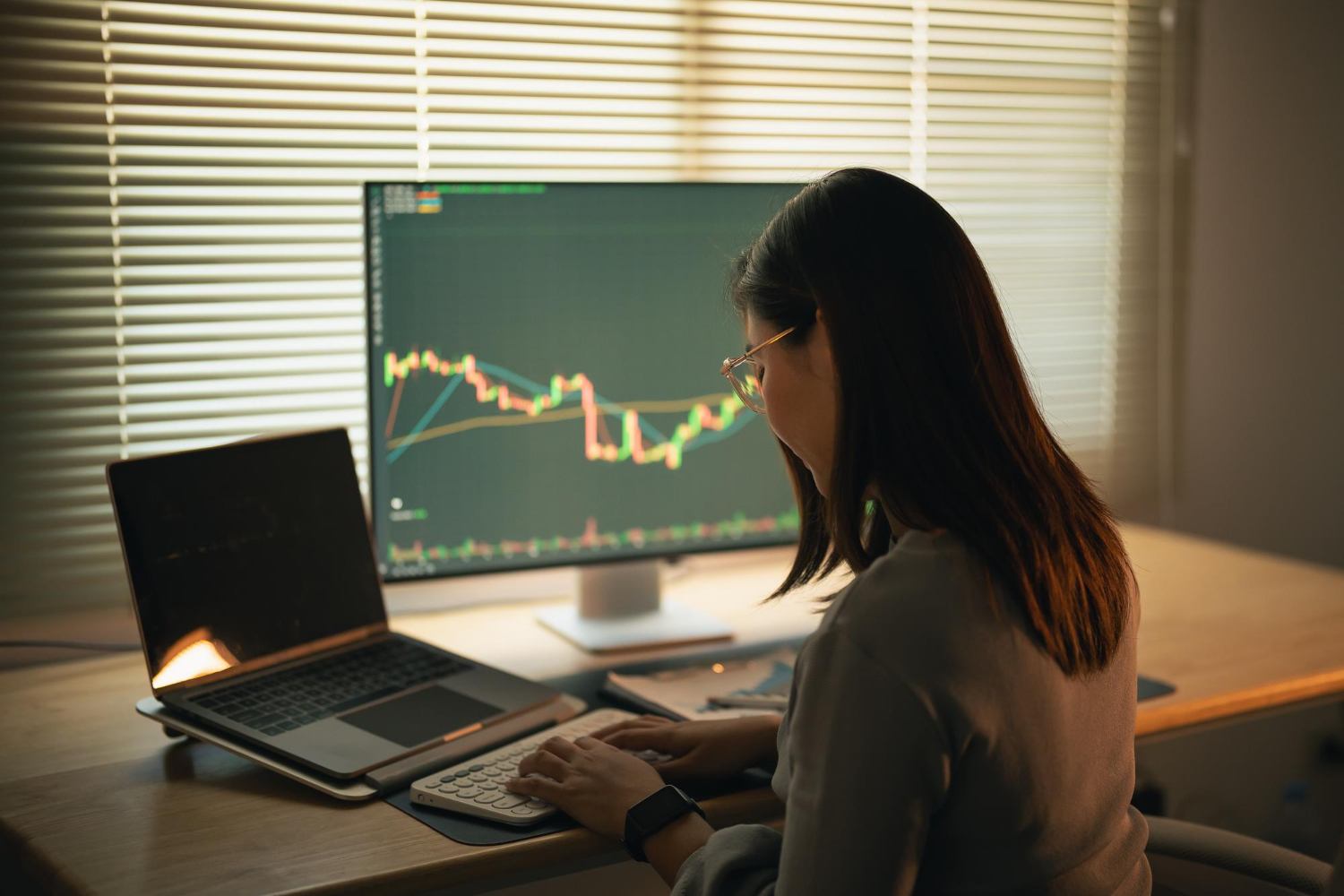
Forex trading has rapidly gained traction in Nigeria, becoming one of the most popular investment opportunities in the country. With the rise of internet access and digital platforms, more Nigerians are exploring the foreign exchange market to generate income and achieve financial independence. This dynamic market offers endless possibilities for those ready to learn and adapt.
However, trading Forex in Nigeria comes with its own set of challenges and opportunities. From understanding market trends to navigating regulatory frameworks, aspiring traders must equip themselves with the right knowledge and tools. For many, it’s not just about making profits but also about building a sustainable trading strategy in a competitive environment.
What Is Forex Trading?
Forex trading involves exchanging one currency for another to profit from price fluctuations in the global foreign exchange market. Known as “FX” or “foreign exchange,” it operates as the largest financial market worldwide, with a daily trading volume exceeding $7 trillion as of 2023.
Traders participate by speculating on currency pairs, such as EUR/USD or GBP/NGN, with each pair reflecting the relative value of one currency to another. Price changes arise from economic factors, geopolitical events, or central bank policies, making Forex highly dynamic.
Retail traders in Nigeria primarily access Forex markets through online brokers offering trading platforms. These platforms enable buying and selling currency pairs with various tools to facilitate analysis, including charts and technical indicators. Leverage is also a common feature, allowing traders to control larger position sizes by committing a smaller initial capital.
Forex trading occurs 24 hours a day, five days a week, across major financial centres such as London, New York, and Tokyo. This decentralised structure allows Nigerian traders to participate at convenient hours, aligning with global markets.
Understanding Forex Trading In Nigeria
Forex trading in Nigeria has gained remarkable traction in recent years. Accessibility to trading platforms and growing financial awareness have positioned it as a prominent investment option.
Current Market Landscape
Nigeria ranks among the largest Forex trading hubs in Africa. Estimates show over 1.3 million traders participate in the market as of 2023. High unemployment rates and the desire for alternative income streams drive this engagement. Popular currency pairs include EUR/USD, GBP/USD, and USD/NGN, reflecting both global and local economic dynamics.
Technological advancements have simplified trading. Brokers offer user-friendly platforms with features such as automated trading, technical analysis tools, and demo accounts. Social trading also attracts new entrants, as it allows beginners to follow and replicate strategies of experienced traders. Mobile trading apps ensure round-the-clock market access.
Volatility in the Forex market presents opportunities and risks. Economic instability, fluctuating oil prices, and shifts in foreign exchange reserves significantly impact trading decisions. Many Nigerian traders rely on real-time data to navigate these fluctuations.
Regulatory Environment
Forex trading in Nigeria is regulated by the Central Bank of Nigeria (CBN). Though the CBN’s primary focus includes managing exchange rates and combating currency volatility, it indirectly oversees Forex trading by ensuring monetary stability. Strict anti-money laundering (AML) policies and currency transaction restrictions aim to curb illegal activities within the market.
Most Nigerian Forex brokers operate under international regulatory bodies, such as the Financial Conduct Authority (FCA) or the Cyprus Securities and Exchange Commission (CySEC), as local regulations for Forex brokers remain minimal. Traders are advised to verify brokers’ credentials and ensure they hold valid licenses from recognised authorities.
CBN rules also influence the local Forex market. Restrictions on international dollar remittances and changing Forex policies frequently challenge traders. Adapting to these fluctuations is key to maintaining profitability while complying with local laws.
Benefits Of Trading Forex In Nigeria
Forex trading offers numerous advantages for Nigerian traders, making it an appealing financial opportunity. The global Forex market’s unique characteristics provide flexibility, profit potential, and simplified access through digital platforms.
High Liquidity
The Forex market is the most liquid financial marketplace worldwide, with a daily trading volume exceeding $7 trillion in 2023. This substantial liquidity allows Nigerian traders to execute trades swiftly at desired prices, even for large orders. The constant activity among institutional investors, banks, and retail traders ensures minimal price manipulation and tighter spreads. For Nigerian participants, such conditions reduce transaction costs and improve trade efficiency.
Opportunities For Profit
Forex trading enables profit generation through both rising and falling currency pair prices, such as USD/NGN or EUR/USD. By leveraging price fluctuations driven by global economic trends, geopolitical events, and monetary policies, traders can capitalize on diverse market opportunities. In Nigeria, individuals facing limited local investment options often find Forex trading lucrative for diversification and higher earning potential. With proper strategy and risk management, the volatile regulatory and economic landscape offers significant returns.
Accessibility And Technology
Advancements in technology and widespread internet availability have simplified Forex trading in Nigeria. Online brokers provide intuitive platforms like MetaTrader 4 and social trading networks, enabling Nigerians to access global markets, follow expert traders, and use automated trading tools. With mobile trading apps, traders in Nigeria can participate without geographical or time restrictions, aligning their activities with global market hours. Additionally, demo accounts and educational resources empower beginners to build skills before trading live.
Challenges Associated With Trading Forex In Nigeria
Trading Forex in Nigeria presents several challenges that can hinder profitability and long-term success. These obstacles stem from various factors, including high risks, fraudulent platforms, and insufficient financial knowledge.
Risks Of Losing Capital
Forex trading involves significant financial risk, with the high market volatility being a major concern. Currency pairs, such as USD/NGN, often experience sharp price fluctuations influenced by geopolitical events, economic instability, and central bank policies. Many traders lose capital due to poor risk management, overleveraging positions, or the use of unverified high-risk strategies. Beginners often underestimate the complexity of predicting market trends, leading to substantial financial losses.
Scams And Fraudulent Platforms
Many unregulated brokers and fraudulent trading platforms target Nigerian Forex traders. These platforms promise unrealistic returns to lure unsuspecting individuals. Traders have reported cases of brokers withholding withdrawals, misrepresenting services, or vanishing with deposited funds. The lack of stringent local regulatory oversight allows such entities to operate easily. To reduce exposure to scams, traders must verify brokers’ credentials under reputable international regulatory bodies, like the FCA or CySEC.
Poor Financial Education
A significant number of Nigerian traders lack the financial education required for Forex trading. Many individuals enter the market without understanding fundamental analysis, technical analysis, or effective trading strategies. This knowledge gap leads to impulsive decision-making, reliance on speculation, and susceptibility to market misinformation. Without proper education, traders struggle to manage portfolios efficiently or adapt to market conditions, diminishing their chances of success.
How To Start Trading Forex In Nigeria
Starting Forex trading in Nigeria involves selecting trustworthy resources, creating an account, and practising before engaging in live markets. Each step is crucial for ensuring effective and sustainable trading.
Choosing A Reliable Broker
Selecting a reliable broker is critical for secure and efficient trading. Nigerian traders often use brokers regulated by globally recognised authorities like the Financial Conduct Authority (FCA) or the Cyprus Securities and Exchange Commission (CySEC). Verifying the broker’s licence ensures credibility and compliance with industry standards.
A reliable broker offers platform features such as low spreads, fast trade execution, and negative balance protection. Brokers providing access to diverse currency pairs, advanced charting tools, and educational content are preferred, as they enhance trading opportunities. Examples include platforms like MetaTrader 4 and MetaTrader 5.
Setting Up A Trading Account
Creating a trading account involves registering on the broker’s platform and completing the Know Your Customer (KYC) process by providing identity verification, such as a government-issued ID and proof of residence. Most brokers also require traders to select their preferred account type, such as standard, micro, or ECN accounts, based on their trading capital and goals.
Funding the account requires a secure payment method, with many brokers accepting naira through debit cards, bank transfers, and online wallets. Choosing an account currency like USD or NGN and setting appropriate leverage levels, which range from 1:10 to 1:500 depending on broker policies, are essential for proper risk management.
Practising With A Demo Account
Using a demo account allows Nigerian traders to familiarise themselves with platform tools and market mechanics risk-free. A demo account operates with virtual funds, replicating real market conditions. It’s an effective way to test trading strategies, assess risk tolerance, and learn order types like stop-loss and take-profit.
Traders commonly spend several weeks or months on demo accounts to gain confidence in analysing price movements and using technical indicators. Most brokers provide complimentary demo accounts with unlimited usage, making them accessible for skill development.
Tips For Successful Forex Trading In Nigeria
Successful Forex trading in Nigeria requires strategic planning, risk management, and staying updated on market developments. Traders who adopt disciplined approaches can achieve better outcomes in this competitive landscape.
Developing A Trading Strategy
A well-defined trading strategy helps traders make informed decisions. Traders should identify their trading style, whether scalping, day trading, or swing trading, based on their availability and risk tolerance. Setting clear trading goals, such as monthly profit targets or maximum loss limits, ensures better focus.
Analysing currency pair characteristics and economic correlations improves strategy alignment with market conditions. Backtesting strategies using historical data on demo accounts verifies their effectiveness without financial exposure.
Managing Risks Effectively
Managing risks minimises potential losses in volatile Forex markets. Setting stop-loss and take-profit levels for every trade eliminates emotional decision-making. Traders should avoid risking more than 1-2% of their account balance per trade to safeguard capital.
Diversifying exposures across different currency pairs (e.g., GBP/USD and USD/JPY) reduces losses if one market moves unfavourably. Adopting appropriate leverage, ideally below 1:100, prevents excessive exposure to market fluctuations.
Staying Informed Of Market Trends
Staying informed empowers traders to anticipate currency price movements. Monitoring economic indicators, such as inflation rates, GDP growth, and interest rate decisions, reveals trends affecting currency values.
Analysing geopolitical developments, like elections or trade agreements, and following central bank policy updates ensures awareness of potential market drivers. Utilising economic calendars and Forex news platforms keeps traders prepared for impactful announcements.
Conclusion
Forex trading in Nigeria offers immense potential for those willing to invest time in learning and developing effective strategies. With the right tools, knowledge, and a disciplined approach, traders can navigate the challenges and capitalize on the opportunities within this dynamic market.
By prioritising risk management and staying informed about global and local economic trends, Nigerian traders can position themselves for long-term success. Choosing reliable brokers and leveraging educational resources further enhances their ability to trade confidently and responsibly.